
DIY Dent Removal: When It Works and When You Need a Collision Expert
Vehicle dents are frustrating, especially when they appear on an otherwise pristine car. At Brandywine Coach Works, we understand the temptation to try DIY dent removal before seeking professional help.
While some minor dents can be addressed at home, knowing when to attempt repairs yourself versus when to contact a collision expert can save you time, money, and potential damage to your vehicle.
The popularity of DIY dent removal videos and kits has grown significantly in recent years. However, not all dents are suitable for home repair, and improper techniques can transform a simple fix into an expensive restoration project.
As factory-certified technicians, we’ve seen both successful DIY attempts and well-intentioned efforts that created additional damage. Our goal is to help you understand when DIY dent removal might work and when professional dent repair becomes necessary to protect your vehicle’s value and appearance.
Understanding Different Types of Dents
Before attempting any DIY dent removal, you need to understand what type of dent you’re dealing with. Different dent types require different approaches and have varying success rates with home repair methods.
Shallow dents occur when the metal is pushed inward but retains its flexibility and hasn’t been stretched or torn. These dents typically result from hail, shopping cart impacts, or minor door dings. The paint usually remains intact, and the metal hasn’t been permanently deformed.
Deep dents involve more significant metal deformation where the material has been stretched beyond its elastic limit. These dents often result from vehicle collisions, falling objects, or high-impact events. The metal has permanent deformation that cannot be simply pushed back into place.
Creased dents feature sharp edges or ridges where the metal has been folded or bent. These typically occur when objects drag across the surface or when impact creates angular damage. The sharp edges make these particularly challenging for DIY dent removal.
Combination damage includes dents with paint scratches, chips, or tears in the metal. Once paint damage occurs, the repair becomes more complex and usually requires professional dent repair to achieve quality results.
When DIY Dent Removal Can Work
Certain conditions make DIY dent removal a viable option for vehicle owners willing to invest time and patience in the process:
Small, Shallow Dents
Dents smaller than a golf ball with smooth, rounded edges often respond well to DIY techniques. These typically result from hail damage, minor parking lot incidents, or small falling objects.
The key characteristics that make dents suitable for DIY dent removal include:
- No paint damage – The surface coating remains intact
- Smooth edges – No sharp creases or ridges
- Accessible location – You can reach both sides of the panel
- Flexible metal – The dent moves when pressed gently
- Recent occurrence – Fresh dents are more pliable than old ones
Ideal Locations for DIY Work
Certain vehicle areas are more forgiving for DIY dent removal attempts:
- Hood surfaces – Large, flat areas with good access
- Roof panels – Typically flat with minimal structural complexity
- Door panels – When damage is in the center area, away from the edges
- Trunk lids – Usually have good access from both sides
- Fender areas – Simple curved surfaces without complex body lines
These locations offer better access for DIY tools and techniques while presenting a lower risk of causing additional damage during repair attempts.
Common DIY Dent Removal Methods
Several DIY dent removal techniques have gained popularity, each with specific applications and limitations:
Heat and Cold Method
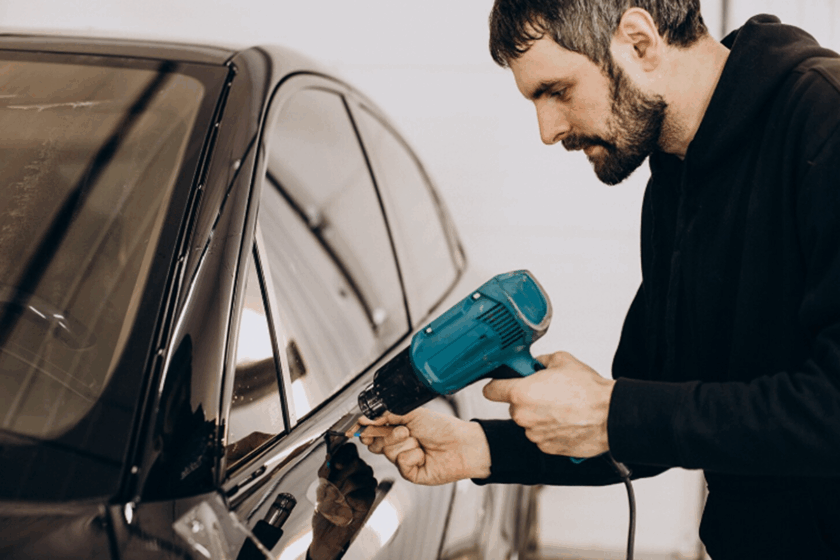
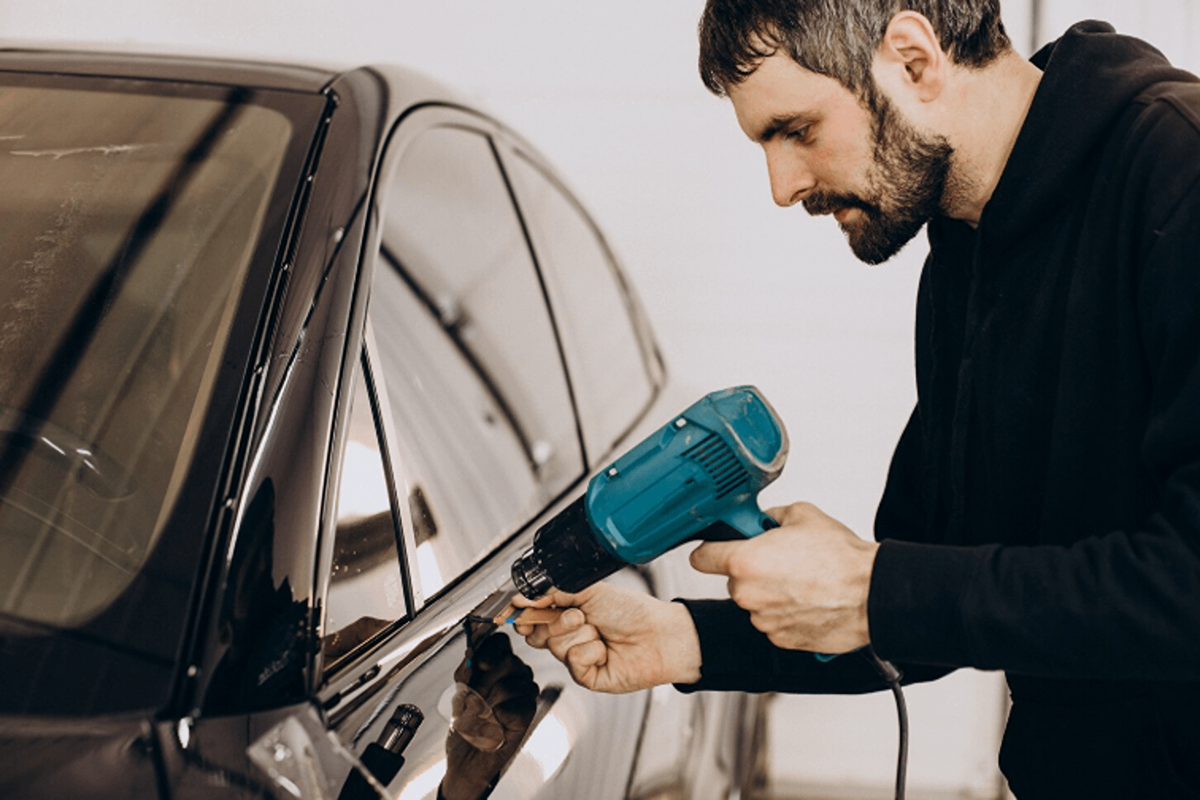
This technique uses temperature changes to encourage metal movement. The process involves heating the dented area with a hair dryer, then immediately applying cold through compressed air or dry ice.
The temperature differential causes the metal to expand and contract rapidly, sometimes popping shallow dents back into position. However, this method only works on very specific dent types and can damage paint if temperatures become excessive.
Plunger Method
Standard household plungers can sometimes remove shallow, large dents from flat surfaces. The suction created can pull dents outward if the seal is adequate and the metal is flexible enough.
This method works best on smooth, flat areas where the plunger can create complete contact. Success rates are low, but the technique poses minimal risk of additional damage when performed carefully.
Suction Cup Tools
Specialized automotive suction cups provide a stronger pulling force than household plungers. These tools work on similar principles but offer better control and stronger suction capabilities.
Professional-grade suction tools can handle slightly deeper dents and provide more precise control over the pulling action. However, they still require ideal conditions to achieve success.
Paintless Dent Repair (PDR) Tools
Consumer PDR kits include specialized tools designed to push dents out from behind the panel. These kits typically include various-sized tips, extension rods, and sometimes glue-pulling accessories.
While these tools mimic professional dent repair techniques, achieving quality results requires significant skill and experience. Improper use can create additional damage or make professional repair more difficult.
Limitations and Risks of DIY Approaches
Understanding the limitations of DIY dent removal helps prevent costly mistakes:
Paint Damage Risk
Most DIY methods carry some risk of paint damage. Excessive heat, improper tool use, or aggressive techniques can crack, chip, or scratch the paint surface. Once paint damage occurs, professional scratch repair becomes necessary.
Modern automotive paints include multiple layers that work together to provide protection and appearance. DIY techniques can disrupt this system, leading to premature failure or unsightly results.
Metal Stretching
Improper DIY techniques can stretch the metal beyond its elastic limit, making professional repair more difficult and expensive. Overstretched metal may never return to its original contour, requiring body filler or panel replacement.

Professional dent repair techniques avoid metal stretching through proper tool selection and controlled pressure application. DIY attempts often lack this precision.
Hidden Damage
What appears to be a simple surface dent might indicate underlying structural damage or stress that isn’t visible. DIY repair attempts can worsen hidden damage or mask symptoms that indicate more serious problems.
Professional assessment can identify these hidden issues before they become major problems, potentially saving significant repair costs in the long run.
When Professional Dent Repair Becomes Necessary
Several factors indicate that professional dent repair is the appropriate choice:
Size and Depth Criteria
| Dent Characteristic | DIY Suitable | Professional Required |
|---|---|---|
| Size | Smaller than a golf ball | Larger than a golf ball |
| Depth | Very shallow, flexible | Deep or rigid |
| Edge type | Smooth, rounded | Sharp creases or ridges |
| Paint condition | Completely intact | Any scratches or chips |
| Location accessibility | Both sides reachable | Limited access areas |
These criteria help determine whether DIY dent removal is realistic or if professional dent repair provides a better solution.
Complex Panel Areas
Modern vehicles include many areas where DIY dent removal is impractical or risky:
- Body line intersections – Where panels meet or change direction
- Reinforced areas – Structural zones with multiple metal layers
- Sensor locations – Areas with integrated safety or convenience systems
- Curved surfaces – Complex contours that require specialized tools
- Edge areas – Near panel boundaries where stress concentrates
These areas require the specialized tools and expertise available through professional dent repair services.
Paint Damage Considerations
Any dent accompanied by paint damage requires professional auto painting. DIY dent removal cannot address paint scratches, chips, or coating damage that often accompanies impact damage.
Professional repair includes paint matching, primer application, and clear coat protection that restores both appearance and corrosion resistance. Attempting DIY paint repair typically results in visible color mismatches and poor durability.
Cost Analysis: DIY vs Professional Repair
Understanding car dent repair cost helps inform your decision between DIY and professional approaches:
DIY Cost Considerations
DIY dent removal costs include:
- Tool investment – $20-150 for basic kits
- Time investment – Multiple hours for learning and execution
- Risk costs – Potential for creating additional damage
- Success uncertainty – No guarantee of acceptable results
- Repeat attempts – Multiple tries are often necessary
While initial costs appear low, failed DIY attempts often require professional repair anyway, potentially increasing total costs beyond the original professional estimate.
Professional Repair Value
Professional dent repair costs vary based on damage severity and location:
- Minor PDR – $75-200 for small, accessible dents
- Moderate repair – $200-500 for larger or multiple dents
- Complex repair – $500-1500 for severe damage or paint work
- Insurance coverage – Many policies cover professional repair costs
Professional repair includes warranty coverage, insurance compatibility, and guaranteed results that protect your vehicle’s value.
The Science Behind Paintless Dent Removal
Paintless dent repair represents the gold standard for dent repair when paint damage hasn’t occurred. This technique requires understanding metal behavior, stress patterns, and precise tool control.
Professional PDR technicians use specialized tools to gradually massage dents out, working the metal back to its original contour without disturbing the paint surface. One of the key benefits of paintless dent removal is that this technique maintains your vehicle’s original finish while delivering near-perfect results, and this process requires extensive training and experience to master.
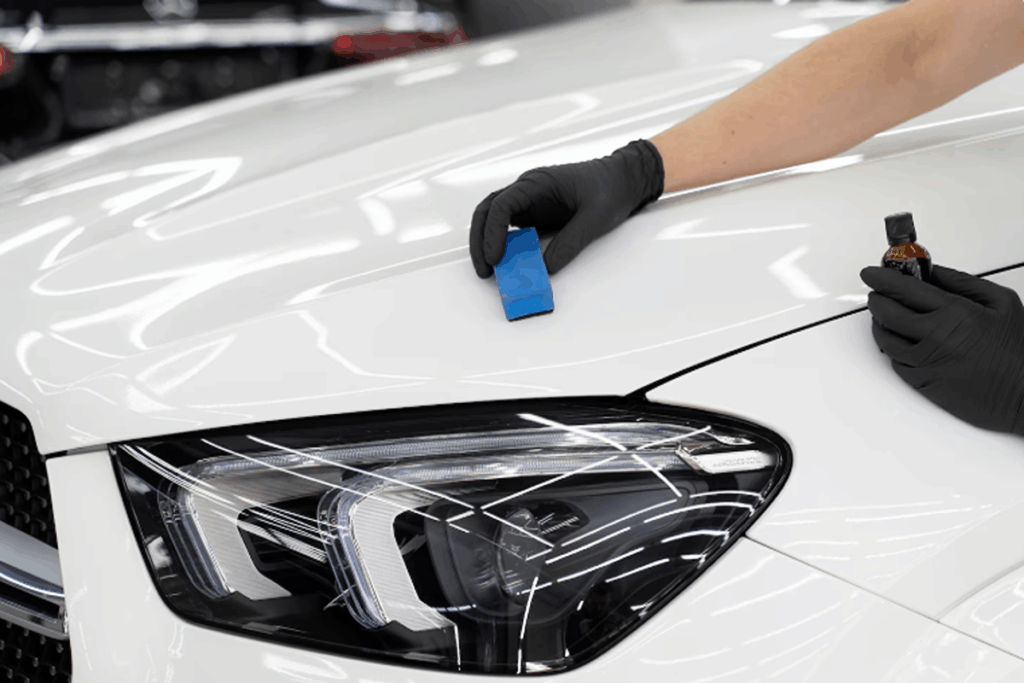
The tools used in professional PDR include precision-designed tips, adjustable rods, and specialized lighting systems that reveal the exact contours needed for perfect repair. Consumer tools cannot replicate this level of precision and control.
Vehicle Technology Considerations
Modern vehicles present additional challenges for DIY dent removal due to integrated technology systems:
Advanced driver assistance systems often include sensors mounted in panels throughout the vehicle. Dent repair in these areas requires calibration after completion to ensure proper system function.
Aluminum body panels, increasingly common in newer vehicles, require different repair techniques than traditional steel. Aluminum has different properties that affect how it responds to repair attempts and what tools work effectively.
Electric vehicles include high-voltage systems and specialized construction that create additional safety considerations during repair. Professional facilities have the training and equipment necessary to work safely on these vehicles.
Quality Standards and Warranty Protection
Professional dent repair includes quality guarantees that DIY dent removal cannot provide. At Brandywine Coach Works, we guarantee our workmanship for the lifetime you own your vehicle.
Professional collision repair follows manufacturer specifications and industry standards that ensure lasting results. Our technicians receive ongoing training on new techniques and technologies to maintain the highest quality standards.

Insurance companies recognize professional repair quality and typically cover these costs when damage results from covered incidents. DIY attempts that fail may void insurance coverage for subsequent professional repair.
Environmental and Safety Considerations
DIY dent removal techniques sometimes involve chemicals, heat sources, or tools that present safety risks. Proper ventilation, protective equipment, and safety protocols are essential for safe DIY attempts.
Professional facilities maintain proper safety equipment, ventilation systems, and waste disposal procedures that protect both technicians and the environment. These safety measures are often impractical for home DIY projects.
Some DIY techniques use chemicals or processes that can harm the environment if not disposed of properly. That being said, it’s better to choose the right collision repair shop. Professional facilities follow strict environmental regulations for all repair processes and waste materials.
Making the Right Decision for Your Vehicle
The choice between DIY dent removal and professional dent repair depends on multiple factors specific to your situation:
Assess your skill level honestly. DIY dent removal requires patience, precision, and acceptance that results may not meet professional standards. If you’re not comfortable with the possibility of imperfect results, professional repair provides peace of mind.
Consider the vehicle’s value and your long-term plans. Newer or high-value vehicles typically benefit from professional dent repair to maintain resale value and appearance standards.
Evaluate the total cost, including your time, tool investment, and risk of additional damage. Sometimes professional dent repair provides better value when all factors are considered.
Insurance and Warranty Implications
Insurance coverage often favors professional dent repair over DIY attempts. Most policies include provisions for professional repair when damage results from covered incidents.
Vehicle warranties may require professional repair to maintain coverage. DIY attempts that create additional damage could void warranty protection for related components.
Documentation of professional repair helps maintain vehicle history records that support resale value and warranty claims. DIY repair attempts typically lack this documentation.
Final Thoughts
While DIY dent removal can work for very specific types of minor damage, the limitations and risks often make professional dent repair the wiser choice. Understanding when DIY methods might succeed versus when they’re likely to fail helps you make informed decisions about your vehicle’s care.
At Brandywine Coach Works, we respect customers who want to try DIY solutions for appropriate damage types. However, we’ve seen too many cases where well-intentioned DIY attempts created additional damage that increased repair costs and complexity.
Our paintless dent removal specialists use advanced techniques and specialized equipment to achieve results that preserve your vehicle’s factory finish and structural integrity. When paint damage accompanies dents, our comprehensive repair process restores both appearance and protection.
Don’t risk turning a simple dent into a complex repair project. Our factory-certified technicians can assess your damage and provide honest recommendations about whether DIY dent removal might work or if professional dent repair provides a better solution for your specific situation.
Contact us to schedule your assessment today to get expert advice on the most effective repair approach for your vehicle’s dent damage. Our team will help you understand your options and choose the solution that best protects your investment while delivering the quality results you deserve.