
Squeaks, Rattles, and Clunks: Decoding Post-Accident Noises and When to Worry
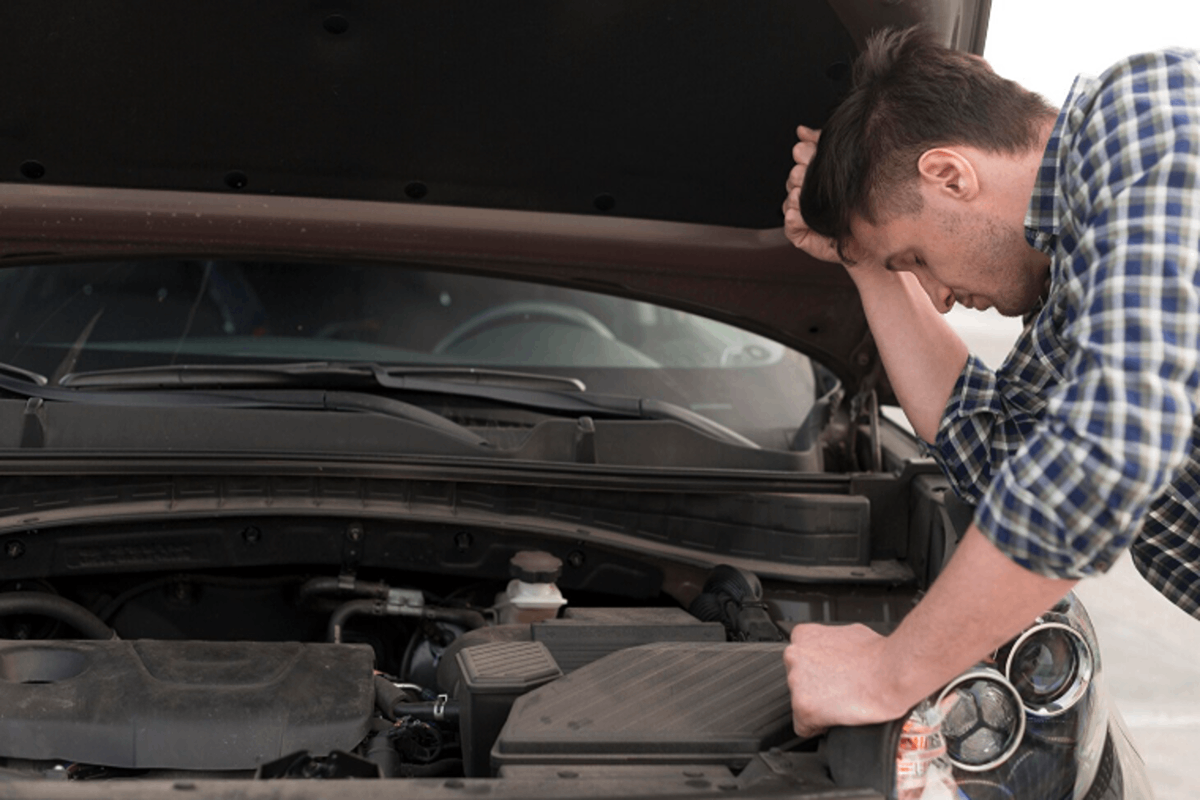
After a vehicle collision, many customers come to Brandywine Coach Works concerned about new sounds their car is making. Car noise after an accident can range from harmless squeaks to serious warning signs of structural damage or safety system failure. Understanding these sounds and knowing when to seek professional evaluation can prevent minor issues from becoming major safety hazards.
Post-collision noises often develop days or even weeks after an accident, making it crucial to monitor your vehicle carefully during the recovery period. What seems like a minor inconvenience could indicate significant hidden damage that compromises your vehicle’s safety, performance, or reliability.
As factory-certified collision repair specialists, we’ve diagnosed thousands of post-collision noises and understand how even seemingly minor accidents can create complex problems throughout a vehicle’s systems. Our comprehensive collision repair inspection process identifies both obvious damage and subtle issues that might not become apparent until later.
Understanding How Accidents Create New Noises
Vehicle collisions transfer energy throughout the entire structure, not just the visible impact zone. This energy can shift components, loosen fasteners, misalign systems, and create stress points. Knowing what to do after an accident is crucial, as addressing these hidden issues early can prevent further damage and ensure your vehicle remains safe to drive.
Modern vehicles include hundreds of precisely aligned components working together. When collision forces disrupt these relationships, the results often manifest as new sounds that weren’t present before the accident.
The timing of when post-collision noises appear varies significantly. Some sounds become immediately apparent, while others develop gradually as shifted components settle or damaged parts deteriorate under normal driving conditions.
Understanding the relationship between impact forces and resulting noises helps explain why professional vehicle sound diagnosis requires comprehensive knowledge of automotive systems and collision dynamics.
Categories of Post-Accident Noises
Squeaking Sounds
Squeaking noises often indicate problems with belts, brakes, or suspension components that have been affected by collision forces:
Brake squeaking can result from bent brake shields, misaligned calipers, or contaminated brake pads. Even minor impacts can shift brake components enough to create contact where none existed before.
Belt squeaking occurs when engine accessories become misaligned due to collision forces. The alternator, power steering pump, or air conditioning compressor might shift slightly, creating belt tension problems that generate squeaking sounds.
Suspension squeaking indicates bushings, joints, or shock absorbers that have been stressed beyond their normal operating range. These components often develop squeaks when internal seals are damaged or alignment is disrupted.
Rattling Sounds
Rattling noises typically indicate loose components, damaged mounting points, or items that have shifted during the collision:
Interior rattling often results from trim pieces, panels, or console components that have loosened during the impact. While these might seem cosmetic, they can indicate structural movement that affects mounting points.
Exhaust rattling occurs when exhaust system components shift, bend, or separate during collision forces. Heat shields, pipes, or mounting brackets might create rattling sounds when they contact other components.
Engine bay rattling can indicate loose heat shields, damaged mounting brackets, or shifted components that now contact each other during engine operation.
Clunking Sounds
Clunking noises represent some of the most serious post-collision noises and often indicate structural or safety-critical component damage:
Suspension clunking suggests damaged struts, springs, or control arms that can affect vehicle handling and safety. These sounds often become more pronounced during turns, braking, or driving over bumps.
Steering clunking indicates potential damage to steering components, tie rods, or suspension joints that directly affect vehicle control. This type of car noise after an accident requires immediate professional evaluation.
Transmission clunking can result from engine or transmission mount damage that allows excessive movement during acceleration or deceleration. This can lead to drivetrain damage if not addressed promptly.
When Post-Accident Noises Indicate Serious Problems
Certain characteristics of post-collision noises indicate an urgent need for professional collision repair inspection:
Timing-Related Warning Signs
Sounds that occur during specific driving conditions often indicate serious problems:
| Noise Timing | Potential Issues | Urgency Level |
|---|---|---|
| During braking | Brake system damage | Immediate attention required |
| While turning | Steering/suspension damage | High priority |
| During acceleration | Drivetrain/mount damage | High priority |
| Over bumps | Suspension/structural damage | Moderate to high priority |
| At idle | Engine mount/accessory damage | Moderate priority |
Vehicle sound diagnosis requires understanding these timing relationships to identify the most likely causes and prioritize repairs appropriately.
Progressive Worsening
Post-collision noises that become louder, more frequent, or change character over time indicate deteriorating conditions that require prompt attention. Components that were initially stable after an accident might gradually fail as stress concentrates on damaged areas.
We’ve seen cases where minor squeaking developed into major component failure because the underlying damage wasn’t addressed promptly. Early collision repair inspection can identify these developing problems before they become safety hazards.
Multiple Simultaneous Noises
When several different car noises after an accident develop simultaneously, this often indicates widespread damage that requires comprehensive evaluation. Multiple systems might be affected even when the initial impact seemed minor.
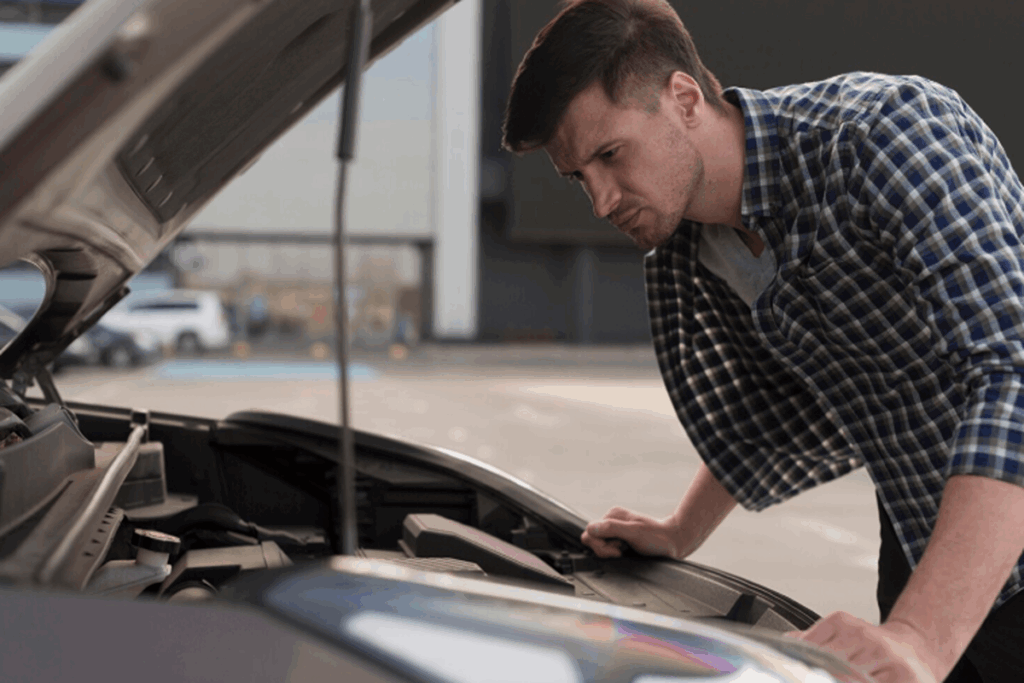
Complex noise patterns require systematic vehicle sound diagnosis to identify all affected components and prioritize repairs based on safety and cost considerations.
Hidden Damage That Creates Delayed Noises
Many post-collision noises result from hidden damage that wasn’t apparent during the initial accident assessment:
Frame and Structural Issues
Minor frame distortion can create stress points throughout the vehicle that generate sounds as components shift or wear prematurely. These structural issues often don’t become apparent until the vehicle has been driven for several hundred miles after the accident.
Collision repair inspection includes precise measurements to identify frame damage that might not be visible but can affect multiple systems and create various noise problems.
Electrical System Damage
Collision forces can damage wiring harnesses, connectors, or control modules in ways that create unusual noises from electric motors, fans, or electronic systems. These problems often develop gradually as connections deteriorate or water infiltration occurs.
Modern vehicles include numerous electric motors and actuators that can generate unusual sounds when damaged or improperly powered due to electrical system problems.
Fluid System Leaks
Damaged seals, hoses, or reservoirs can create unusual sounds as fluid levels drop or air enters systems that should be sealed. Power steering, brake, or cooling system leaks often generate noises before other symptoms become apparent.
Vehicle sound diagnosis includes checking all fluid systems for leaks or contamination that might explain unusual sounds and prevent more serious damage.
The Diagnostic Process for Post-Accident Noises
Professional collision repair inspection follows a systematic approach to identify the source and significance of post-collision noises:
Initial Assessment
The first step is choosing the right collision repair shop that has the expertise, equipment, and reputation to accurately diagnose and repair your vehicle. Our diagnostic process begins with detailed documentation of when, where, and under what conditions each noise occurs. This information helps narrow the possible causes and prioritize inspection areas.
We ask customers to describe:
- The exact timing of when noises occur during driving
- Location where sounds seem to originate
- Frequency and consistency of the noises
- Changes in sound character since first noticed
- Relationship to specific driving conditions or actions
This initial assessment guides our systematic inspection process and helps ensure we address the most critical issues first.
Physical Inspection
Visual inspection reveals many sources of car noise after an accident. We examine all accessible components for damage, misalignment, or looseness that could generate unusual sounds.
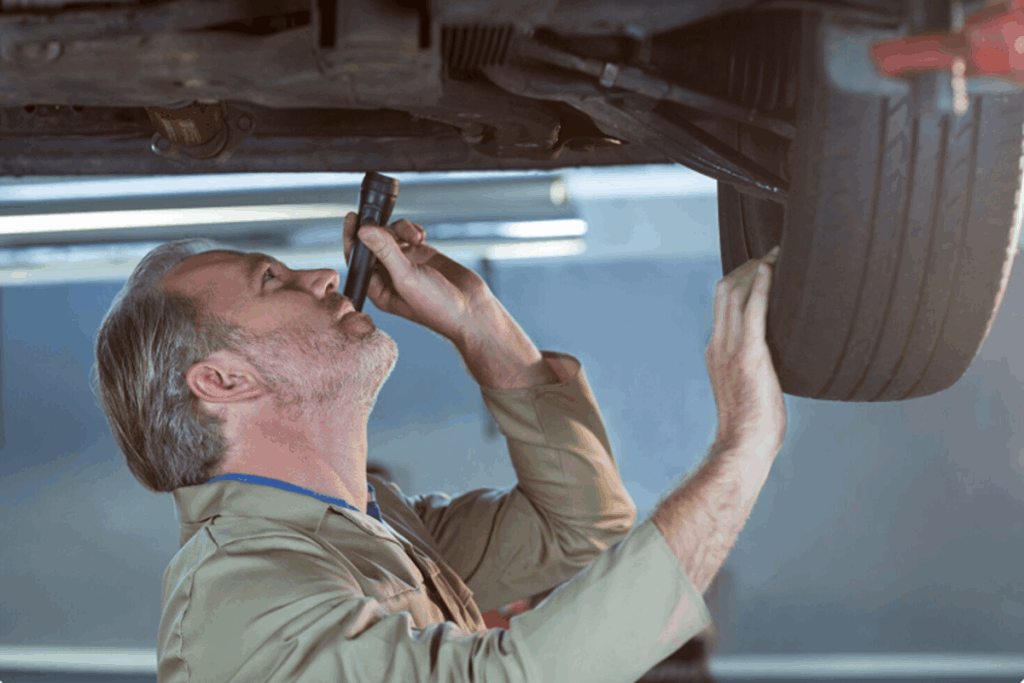
Our technicians use specialized tools to check component movement, alignment, and mounting security throughout the vehicle. This hands-on inspection often reveals damage that electronic diagnostic tools might miss.
Road Testing
Initial inspection might not be enough; sometimes it takes longer to repair a car after an accident. Controlled road testing allows us to experience post-collision noises under actual driving conditions while monitoring vehicle behavior and performance. This testing helps confirm diagnostic hypotheses and identify additional problems that might not be apparent during static inspection.
We use diagnostic equipment to monitor various vehicle systems during road testing, correlating sensor data with observed sounds to pinpoint exact causes and required repairs.
Advanced Diagnostic Equipment
Modern vehicle sound diagnosis includes electronic tools that can identify problems not apparent through visual inspection or road testing alone:
- Chassis ears that isolate specific sound sources
- Oscilloscopes that analyze electrical system problems
- Pressure testers for hydraulic and pneumatic systems
- Alignment equipment that measures precise component positioning
- Computer diagnostic tools that check for stored error codes
This equipment helps us identify subtle problems that create post-collision noises and ensure comprehensive repair of all affected systems.
Common Misconceptions About Post-Accident Noises
Many vehicle owners hold misconceptions that car noise leads to delayed repairs and increased costs:
“Minor Noises Will Go Away”
Some customers hope that minor post-collision noises will resolve themselves as the vehicle “settles” after an accident. In reality, these sounds usually indicate damage that will worsen over time without proper repair.
Components that generate noise after an accident have typically been stressed beyond their design limits. Continued operation without repair often leads to complete failure and more expensive replacement costs.
“Noises Don’t Affect Safety”
While some post-collision noises are primarily cosmetic annoyances, many indicate problems that directly affect vehicle safety. Steering, braking, or suspension noises can warn of impending component failure that could cause accidents.
Professional collision repair inspection helps distinguish between cosmetic noise issues and safety-critical problems that require immediate attention.
“Insurance Won’t Cover Noise Problems”
Insurance companies typically cover all damage directly related to covered collision incidents, including problems that generate post-collision noises. Proper documentation during the claims process ensures that these issues receive appropriate coverage.
We work with insurance adjusters to document the relationship between accident damage and resulting noise problems, helping ensure comprehensive coverage for all necessary repairs.
Technology Systems and Post-Accident Noises
Modern vehicles include numerous electronic systems that can generate unusual car noise:
Active Safety Systems
Collision avoidance systems, lane departure warnings, and automatic emergency braking systems include motors, actuators, and sensors that can create unusual sounds when damaged or misaligned.
These systems often continue to function partially after minor collisions but may generate warning sounds or unusual operational noises that indicate calibration or component problems.
Climate Control Systems
HVAC systems include numerous moving components that can be affected by collision forces. Blower motors, actuators, and ductwork can shift during impacts, creating rattling, squeaking, or grinding sounds during operation.
These systems are often overlooked during initial accident assessment, but can generate persistent noise problems that affect comfort and indicate potentially expensive repair needs.
Entertainment and Navigation Systems
Audio systems, navigation units, and communication systems include cooling fans, hard drives, and mechanical components that can be damaged during collisions. These systems might generate unusual sounds during operation or boot-up sequences.
While these problems don’t typically affect safety, they can indicate broader electrical system damage that might affect other vehicle functions.
Preventive Measures After Accidents
Even when the initial collision repair inspection doesn’t reveal obvious problems, monitoring your vehicle for developing post-collision noises helps identify issues before they become serious:
Regular Monitoring Schedule
We recommend systematic monitoring during the first few months after any collision:
- Daily observation during normal driving for new sounds
- Weekly checks in parking lots for fluid leaks or visible damage
- Monthly evaluation of handling, braking, and steering feel
- Quarterly professional inspection for developing problems
This monitoring schedule helps identify developing problems while they’re still minor and less expensive to repair.
Documentation Practices
Keeping records of any new car noise after an accident helps track patterns and provides valuable information for diagnostic purposes:
- Date and mileage when sounds first appear
- Driving conditions when noises occur
- Sound characteristics and location
- Changes over time in frequency or intensity
- Related symptoms, like vibration or handling changes
This documentation helps our technicians diagnose problems more efficiently and can support insurance claims for related repairs.
Cost Implications of Delayed Noise Diagnosis
Ignoring post-collision noises often leads to significantly higher repair costs as problems progress from minor adjustments to major component replacement:
Progressive Damage Costs
| Initial Problem | Immediate Repair Cost | Cost After 6 Months of Neglect | Additional Damage |
|---|---|---|---|
| Loose brake shield | $50-100 | $300-800 | Rotor scoring, pad replacement |
| Misaligned belt | $75-150 | $400-1200 | Alternator, A/C compressor damage |
| Loose suspension mount | $150-300 | $800-2000 | Strut damage, alignment issues |
| Minor exhaust leak | $100-250 | $500-1500 | Complete system replacement |
These examples demonstrate how prompt attention to post-collision noises can prevent minor problems from becoming major expenses. Remember that neglecting small repairs after an accident might lead to much more serious problems later.
Insurance Coverage Timing
Insurance coverage for noises after an accident often depends on timely reporting and clear documentation of the relationship between the collision and subsequent issues.
Delayed reporting of noise problems might result in coverage disputes if the relationship between the original accident and later-developing issues becomes unclear.
Quality Assurance in Noise Diagnosis
At Brandywine Coach Works, our vehicle sound diagnosis process includes multiple verification steps to ensure accurate identification and complete repair of all noise-related issues:
Systematic Documentation
We document all post-collision noises with detailed descriptions, audio recordings when helpful, and precise location identification. This documentation helps track repair progress and verify that all issues have been resolved.
Post-Repair Verification
After completing repairs, we conduct thorough road testing to verify that all noises have been eliminated and no new issues have been created during the repair process.
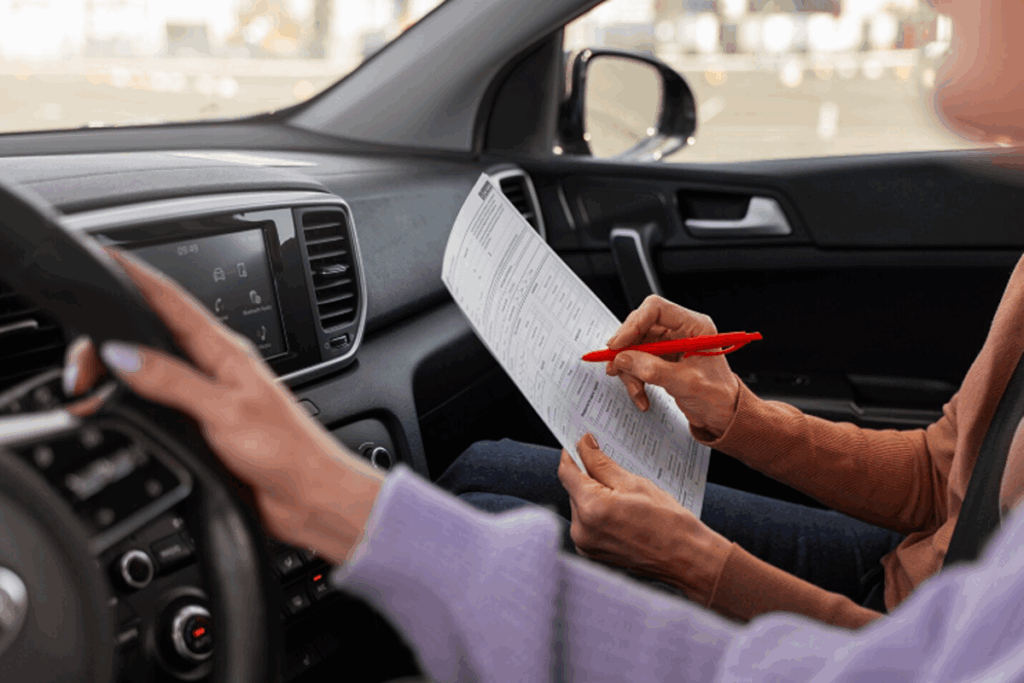
Our quality assurance process includes customer verification drives, where you can confirm that all noise issues have been resolved to your satisfaction before we consider the repair complete.
Warranty Coverage
All our noise-related repairs include comprehensive warranty coverage that protects against recurring problems or incomplete repairs. If any post-collision noises return after our repair work, we address them at no additional charge.
Final Remarks
Post-collision noises represent important warning signs that should never be ignored. While some sounds might seem minor or cosmetic, they often indicate underlying damage that can affect your vehicle’s safety, reliability, and value. Understanding when these noises require professional attention helps protect both your investment and your safety.
At Brandywine Coach Works, our factory-certified technicians have the experience and equipment necessary for comprehensive vehicle sound diagnosis and repair. We provide a full range of services, including safety system calibration, paintless dent repair, window replacement, and many more, to ensure your vehicle is restored to its pre-accident condition. Our team understands how collision forces affect vehicle systems and can identify both obvious and subtle problems that create issues.
Schedule your inspection today if your vehicle has developed any new sounds since an accident. Our expert diagnostic team will identify the source of all post-collision noises and provide honest recommendations for repairs that restore your vehicle’s quiet, smooth operation while ensuring your safety on the road!